









Only Run What You Trust

Application Control software built for real environments—operational, flexible, and designed to scale

air-hero
Trusted by Teams Who Define What Runs
The Problem

Define Trust Before Execution

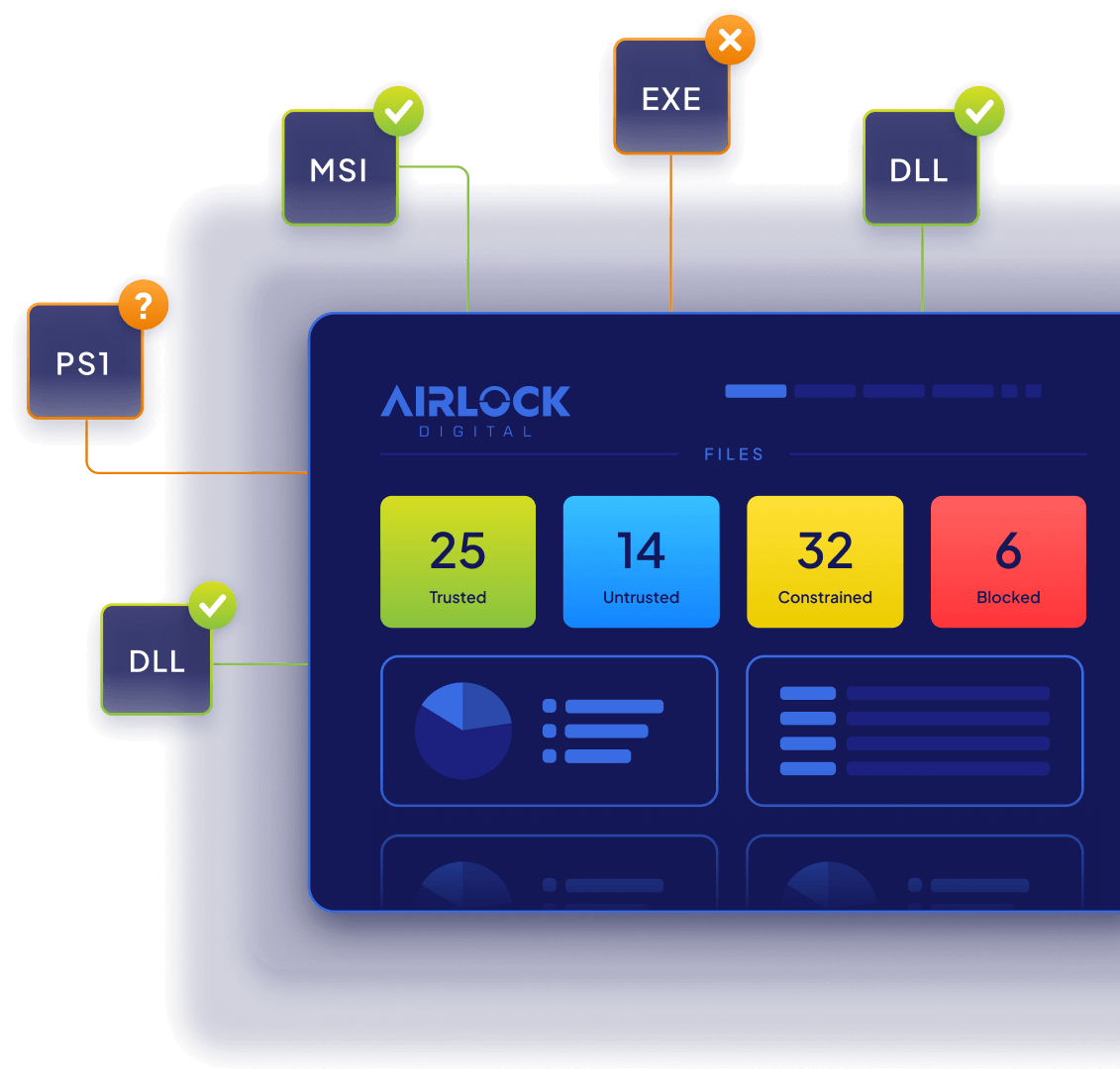
Many security teams can detect suspicious activity after launch, but controlling what software is allowed to run remains operationally difficult. Airlock Digital Application Control helps organizations define trust before execution, without the complexity of traditional allowlisting and blocklisting.

Challenges
icon-x
Detection tools focus on behavior after execution
icon-x
Legacy allowlisting models can be difficult to maintain
icon-x
Static trust catalogs rarely reflect real environments
The Result
icon-check
Safer, more confident enforcement
icon-check
Faster trust decisions
icon-check
Less reactive security operations
define-what-runs
The Shift

A More Practical Way
to Define What Runs

Organizations are reducing risk earlier by moving from reactive investigation toward defined trust before execution. The goal is not just faster response, but a more practical way to decide what should run, introduce enforcement gradually, and reduce exposure without disrupting operations.

Why Airlock Digital is Different

Define Trust on Your Terms

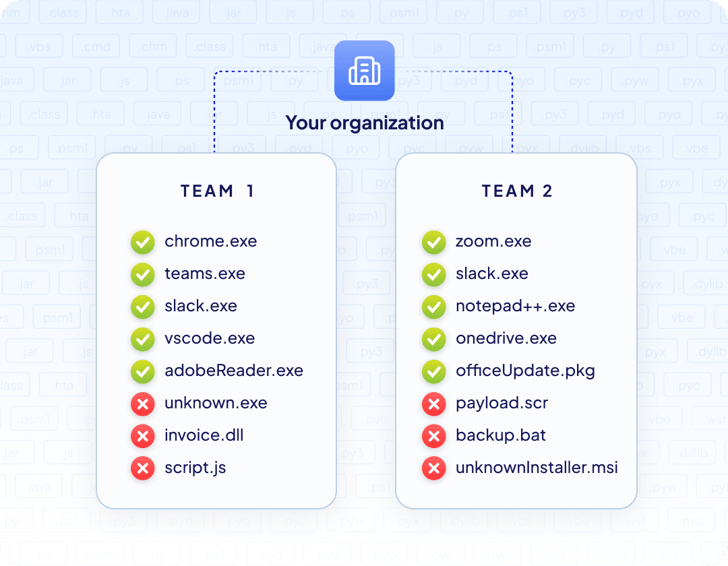
Trust decisions stay with the organization. Teams can define what is allowed to run based on their own environment, workflows, applications, and risk tolerance.
why-different-define-trust

Trust That Fits the Environment

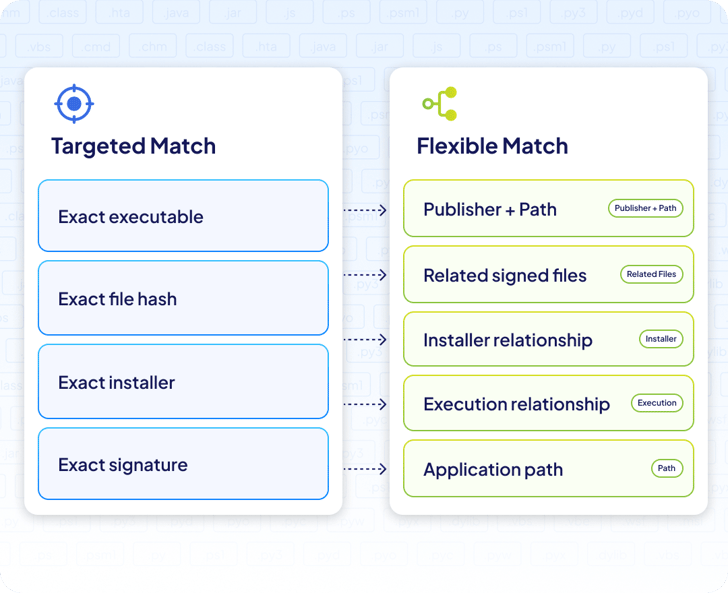
Flexible trust models reflect how software is actually introduced, executed, and updated. Teams can apply trust using file attributes, publishers, installers, paths, and execution relationships.
why-different-trust-that-fits-1

Make Allowlisting Operational

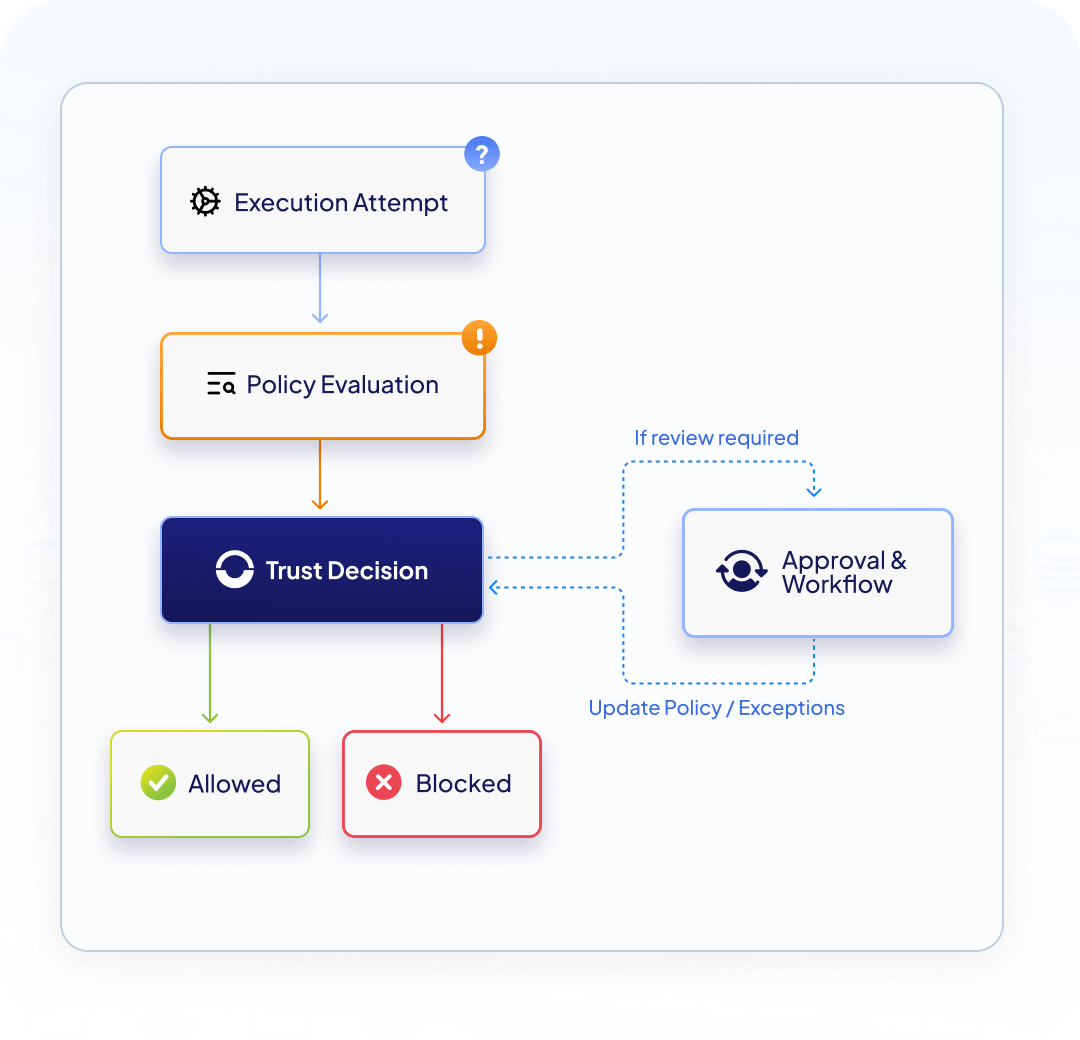
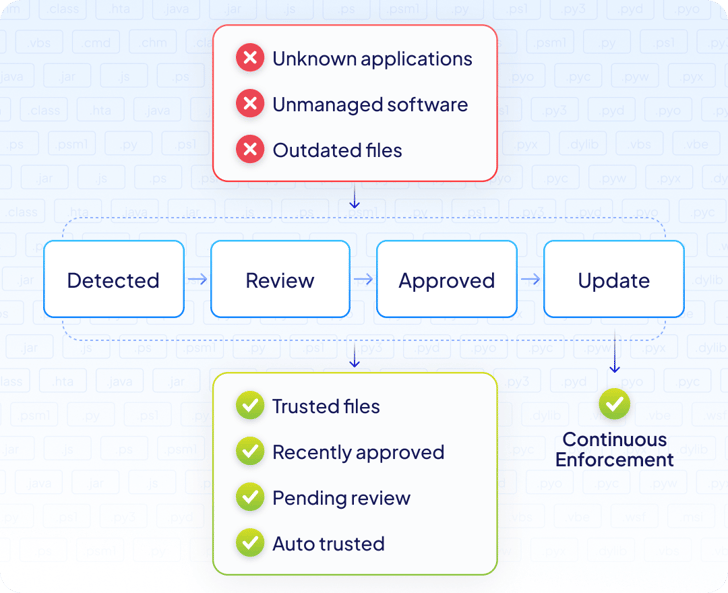
Allowlisting becomes a manageable, ongoing process rather than a one-time configuration. Trust decisions move through established IT and security workflows, making it easier to review, approve, and enforce without added complexity.
why-different-allowlisting-operational-1

Enforce Without Disrupting Operations

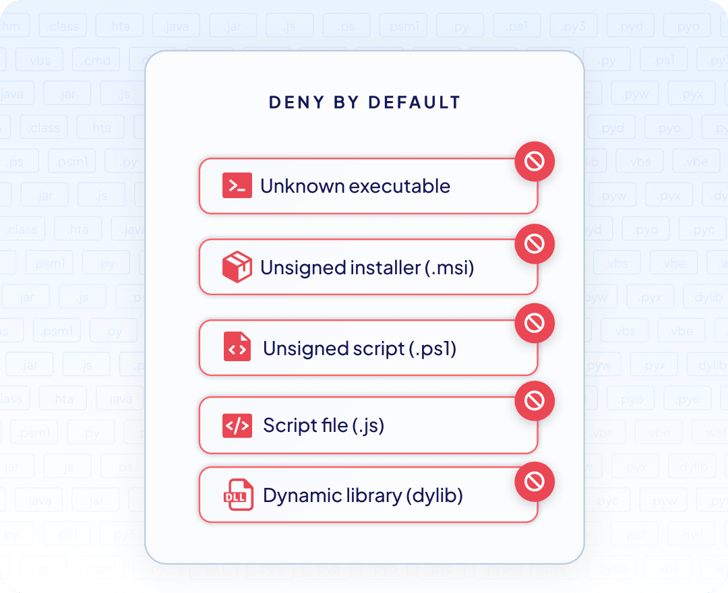
A gradual path to enforcement helps teams reduce unknown execution and strengthen prevention without forcing disruptive change. The result is a more controlled route to Deny by Default.
why-different-enforce-opperations-2

Strengthen Existing 
EDR and SIEM

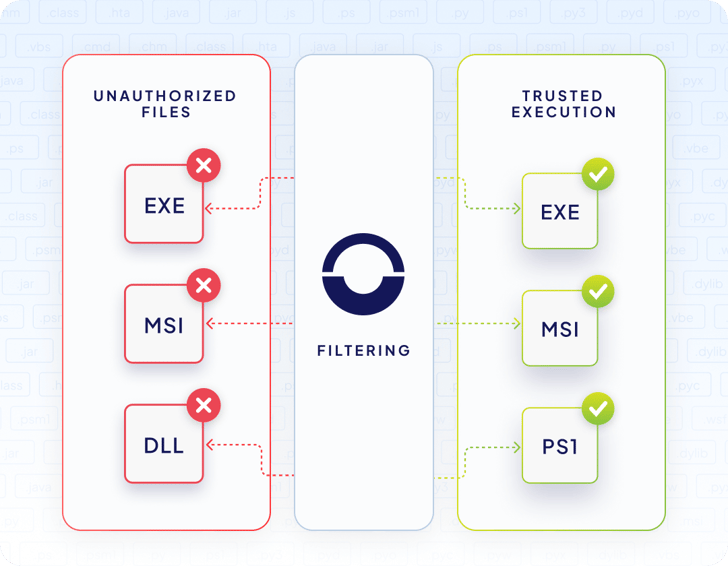
Reducing unauthorized execution at the source helps EDR, SIEM, and related tools operate in a cleaner environment with fewer unknowns. That improves prevention while increasing the value of existing security investments.
why-different-edr-siem

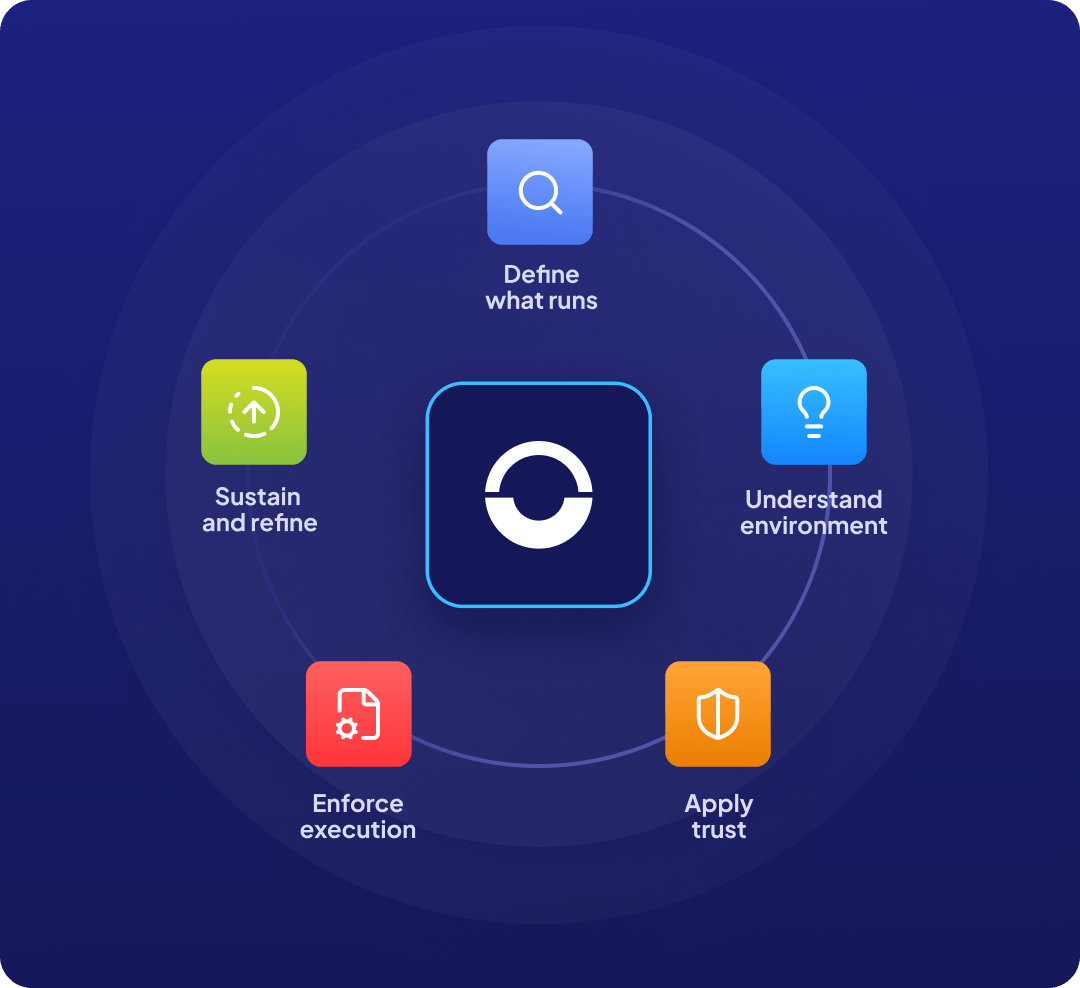
How Airlock Digital Works

how-airlock-works-1
icon-search-blue
Define what runs
icon-light-blue
Understand execution behavior and how software is used across the environment
icon-shield-split-orange
Apply trust through workflows
icon-settings-red
Enforce at execution
icon-up-green
Sustain and refine control as software and environment evolve

See Defined Execution Control in Action

How Airlock Digital operationalizes prevention at the moment software executes.
What Changes

From Reactive Execution

to Defined Control

Before: Reactive Security & IT Ops
icon-question
Unknown execution
icon-alert-1
Alert investigation
icon-back-square
Manual exception handling
icon-no-path
Operational friction
Security reacts after something runs
After: Defined Trust Model
icon-eye-1
Visibility into what runs
icon-org-building
Organization-defined trust
icon-award-page
File-level enforcement
icon-scroll
Policies enforced predictably
icon-shield-check-1
Security-IT aligned
What runs becomes a managed, defined process
Built for Real Environments

Application Control
Built for Real Environments

Why Choose Airlock Digital

Ready to Take Control?

Book a demo and see how Airlock helps stop threats before they execute.